
Coping with loneliness can feel difficult, especially during life transitions when our usual connections begin to change. For women especially, life transitions such as children growing up, relocation, relationship changes, career shifts, or caring responsibilities can quietly reshape social connections. Even people with families, colleagues, and busy lives sometimes find themselves wondering, why do I feel lonely?
Loneliness is the feeling of being emotionally or socially disconnected, even when you are not physically alone.
Although loneliness is common, it often feels deeply personal. Many people hesitate to talk about it, believing they are the only ones experiencing these feelings. In reality, research across Europe and the UK suggests that loneliness has become increasingly widespread in modern societies, particularly during periods of major life change.
Experiencing loneliness does not mean that something is wrong with you. Humans are naturally wired for connection, and when that connection is missing or reduced, feelings of isolation can arise. Recognising these feelings is often the first step toward rebuilding meaningful relationships and improving overall wellbeing.
Loneliness can influence more than just emotional health. Studies in psychology and public health have shown that long-term loneliness may affect sleep, stress levels, mood, and even physical health. Persistent isolation has been associated with increased anxiety, low mood, and reduced motivation. Because of this, many wellbeing professionals now consider social connection to be an important pillar of overall health.
The encouraging news is that loneliness is not a permanent state. With time, patience, and small intentional steps, it is possible to rebuild connection and rediscover a sense of belonging.
Sometimes the first step is simply reaching out to someone you already know. A message to a friend, a phone call to a family member, or reconnecting with someone you have not spoken to in a while can gently reopen relationships that may have faded during busy periods of life.
Many people also find new friendships through shared interests and activities. Communities built around hobbies and learning often provide natural opportunities to meet others without pressure. Book clubs, exercise classes, volunteer organisations, local workshops, or educational courses can all create spaces where people come together with a shared purpose.
Taking care of your personal wellbeing can also support emotional resilience during periods of loneliness. Regular movement, healthy sleep habits, time outdoors, and balanced nutrition all influence mood and mental clarity. When the body is supported, it often becomes easier to engage with others and participate in social environments.
At times, loneliness can feel more persistent or overwhelming, particularly during difficult life transitions such as divorce, grief, relocation, or retirement. In these situations, speaking with a professional can be a valuable step. Therapists, counsellors, and wellbeing professionals are trained to provide supportive environments where individuals can explore their experiences and develop practical strategies for reconnecting with others.
It is also helpful to remember that connection does not always begin with deep friendships. Sometimes it starts with small moments of interaction—spending time in a café, visiting a library, joining a community class, or walking in a park where other people are present. These everyday environments can gradually reintroduce a sense of belonging.
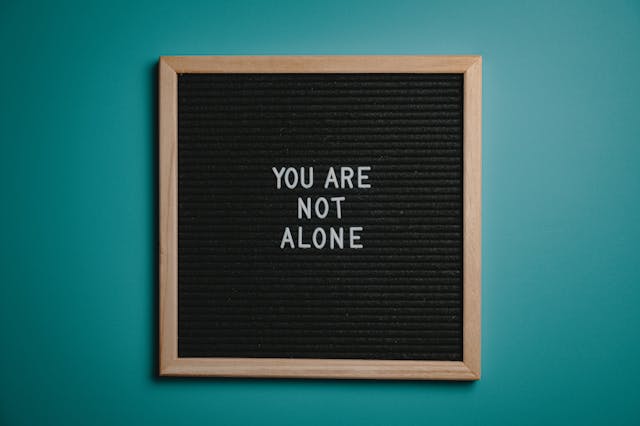
If you are experiencing loneliness right now, you are not alone in feeling this way. Many people move through similar periods in life, and with the right support and opportunities for connection, meaningful relationships can develop again in ways that are often unexpected.
If you feel that guidance or support could help you navigate this stage of life, speaking with a wellbeing professional can provide a safe and constructive space to explore what you are experiencing and identify practical ways to move forward.
If feelings of loneliness become persistent or overwhelming, reaching out for professional support can be an important and supportive step.
Trusted Resources for Loneliness and Emotional Wellbeing
The following organisations provide reliable information, guidance, and support related to loneliness and mental wellbeing.
- Campaign to End Loneliness
https://www.campaigntoendloneliness.org - Mind (UK Mental Health Charity)
https://www.mind.org.uk - Psychology Today – Find a Therapist
https://www.psychologytoday.com - Befrienders Worldwide (emotional support helplines)
https://www.befrienders.org
Community platforms where people can discover activities and social groups:
- Meetup – https://www.meetup.com
- Eventbrite – https://www.eventbrite.com
I hope the above resources are helpful and if you have recommendations for additional useful and relevant organisations or platforms, please share these resources with me using the contact form above.
Additional resources
If you would like a starting point, you can take the Wellness Assessment. It’s free, provides instant results and guidance, and can help you reflect on areas of your wellbeing.
You may also be interested in my previous posts on health and wellbeing and sustainable wellness, which provide guidance on these topics.
With care,
Rannveig
Leave a Reply